The Economics of a TANING Store: What Overseas Partners Should Understand Before Investing
Franchise decisions are financial decisions. Behind every attractive brand story there must be a store model that works — at the rent levels of your city, with your labour costs, at your achievable price point. For investors considering a TANING store, the brand's published overseas performance data provides a useful starting point, and the operating model explains why those numbers are achievable.

The Published Benchmark
TANING's overseas expansion report describes individual stores reaching monthly revenues of around RMB 600,000 and explains how the brand has replicated that performance across 12 countries. Owners should treat any headline figure as a benchmark rather than a promise: results vary with location, operator quality and market conditions. But the existence of a documented, repeatable model is what separates a franchisable concept from a single successful shop.
What Drives Revenue in a Fresh-Tea Store
Four variables determine whether a TANING store performs.
Location quality. Fresh-tea stores depend on footfall and dwell time. The best sites combine high daytime traffic — offices, campuses, transport hubs, shopping centres — with evening and weekend demand.
Throughput. TANING's production standard is designed for speed: a documented recipe produces a drink in roughly 15 to 30 seconds per cup. Speed converts a queue into revenue instead of a lost sale, and it is what makes peak-hour trading profitable.
Average ticket and mix. Revenue per customer rises when the menu encourages pairing — a signature lemon tea with a fruit or vegetable tea, or with a snack. TANING's portfolio, including its snack range and seasonal launches, is structured to support that.
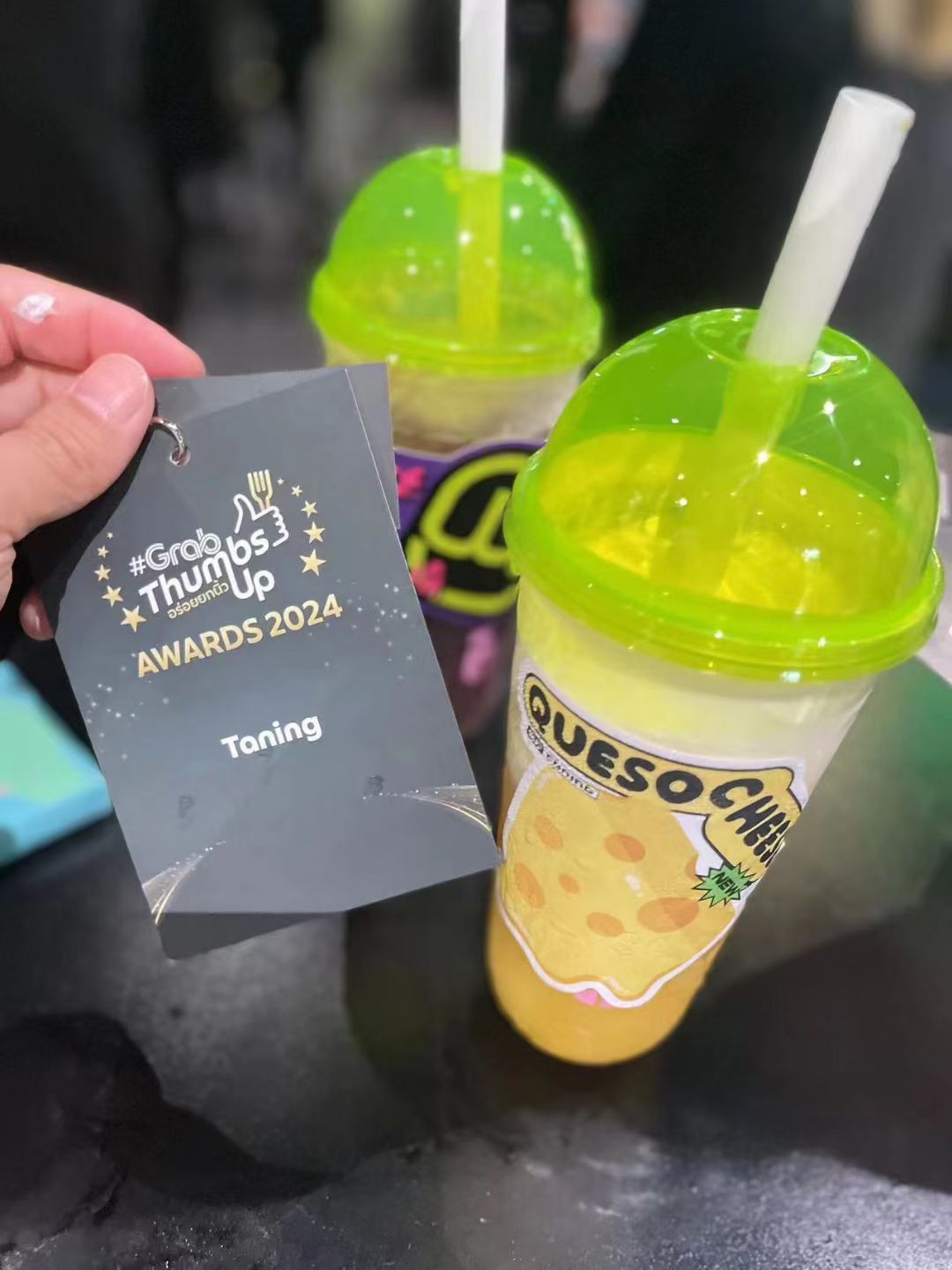
Channel breadth. Overseas stores that add delivery and corporate orders early tend to smooth their weekly revenue curve. TANING's experience with large group orders demonstrates the upside: a single 2,050-cup order for a corporate conference was produced by five nearby stores in two hours, an illustration of the institutional segment that a well-known brand can access.
What the Brand Provides
The franchise model is built to reduce the variables a partner controls poorly. Site selection is supported with criteria learned from more than 1,000 stores. Store design follows a defined format. Supply of signature ingredients comes through the brand's qualified supplier network, protecting product quality and removing the need to develop recipes locally. Staff are trained to a documented standard, including sessions at headquarters in Guangzhou, so that productivity targets are realistic rather than aspirational. Marketing support arrives with each new product launch.
How to Evaluate the Opportunity Properly
Before signing anything, request four things: the store format options and their space and equipment requirements; the ingredient supply list with landed cost estimates for your market; the training and pre-opening schedule; and the ongoing royalty and support structure. Then build a local model — rent, labour, utilities, delivery commissions — against a conservative, average-day sales assumption, not a best-case one.
TANING's international team provides this documentation to serious enquiries. Review the brand's global operations at www.taning.net/en and submit a partnership enquiry to receive the franchise information package for your market, including current store formats and the process for securing territory.